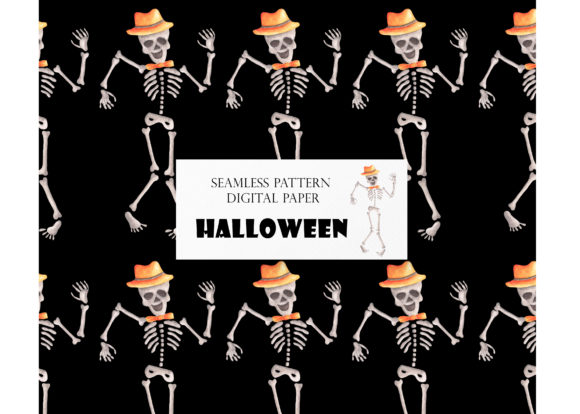
Skeleton Seamless Pattern: A Halloween Review
As a designer who spends more time staring at stitch maps than most people care to admit, I approach every new machine embroidery design with a mix of excitement and skepticism. When I first loaded the Skeleton Seamless Pattern. Halloween. onto my screen, my immediate reaction was one of appreciation for its thematic clarity. There is a specific mood required for Halloween projects—it needs to be spooky enough to fit the season but clean enough to look professional on a finished product. This pattern hits that sweet spot. It isn't just a random collection of bones; it feels like a cohesive textile print waiting to be translated into thread.
The visual personality of this design leans heavily into the classic "seamless" aesthetic, which makes it incredibly versatile for Patterns categories. Unlike a central motif that demands the center of a hoop, a seamless pattern invites you to think about coverage and repetition. For an Etsy seller or a craft business owner, this distinction is vital. It changes how you price your items and how you market them. You aren't just selling a stitched logo; you are selling a textured background that elevates the entire garment.
Real-World Application: The Tote Bag Test
To truly evaluate the Skeleton Seamless Pattern. Halloween., I needed to move beyond the digital preview and imagine it in a real-life scenario. I pictured a custom order for a local boutique looking for holiday embroidery items that weren't the usual jack-o'-lanterns. They wanted something modern for their tote bag design lineup. This is where the seamless nature of the file shines. By tiling the design across a large canvas tote, you create an all-over print effect that looks high-end and intentional.
However, executing this requires foresight. If you are stitching this on a sweatshirt embroidery project, the texture of the fleece combined with the density of the skeleton motifs could become overwhelming if not managed correctly. In my mental walkthrough of this project, I considered how the stitch density would affect the drape of the fabric. A heavy fill might make a tote bag stiff, whereas a lighter running stitch approach would keep it flexible. The design seems balanced enough to handle moderate density, but I would strongly advise testing on scrap fabric first. You need to see how the thread colors interact with the base material before committing to a client's order.
Fabric Compatibility and Technical Considerations
One of the biggest challenges with any repeating pattern is ensuring it looks good on various surfaces. The Skeleton Seamless Pattern. Halloween. is likely to perform beautifully on stable, woven fabrics like cotton twill or linen, which are common for kitchen towels and pillow covers. On these materials, the crisp lines of the skeleton shapes should remain distinct, providing excellent stitching clarity.
Caution is necessary, however, when dealing with stretchy or textured fabrics. If you attempt to use this as an applique design on a knit baby onesie, the movement of the fabric during washing could distort the seamless alignment. Similarly, using this on a curved surface like a cap requires careful hooping and potentially resizing the elements to prevent puckering. The small details within the skeleton shapes—the ribs, the skull features—need enough space to breathe. If the hoop size is too small relative to the detail level, those tiny areas might merge into a solid blob of thread.
For dark fabric applications, which are ubiquitous in Halloween decor, contrast is king. A white or bone-colored thread against black canvas creates a striking visual, but you must ensure your stabilizer choice supports the weight of the thread without showing through. A cut-away stabilizer is often safer for dense patterns intended for frequent wear, ensuring the finished product maintains its shape over time.
Commercial Value and Brand Consistency
From a business perspective, the value of a seamless pattern lies in its scalability. For digital product sellers creating printable mockups, this asset offers endless possibilities for showcasing custom apparel. It allows you to visualize how a brand might look if they adopted a spooky-chic aesthetic year-round, not just in October. For handmade shop owners, consistency is key to building trust. Using a well-executed pattern like this across a range of products—from aprons to blankets—creates a recognizable brand identity.
Customers engage with products that feel thoughtful. A haphazardly placed design screams "last minute," but a tiled, seamless pattern suggests a higher level of craftsmanship. This directly impacts product value and allows you to command a higher price point. Whether you are creating a personalized gift for a friend or manufacturing inventory for a small shop product line, the professionalism of the stitch work reflects on your reputation.
Designer Notes for Success
Before you dive into production with the Skeleton Seamless Pattern. Halloween., here are a few practical steps to ensure success:
- Test on Scraps: Always stitch a sample on the exact fabric you plan to use. Check for puckering and thread breaks.
- Check Contrast: View your design in black and white mockups to ensure the skeleton shapes stand out clearly against the background.
- Verify Licensing: Since this falls under Patterns, confirm whether the license allows for commercial use on physical goods or if it is restricted to personal projects.
- Review Stitch Types: Determine if the design uses primarily satin stitch, fill stitch, or running stitch. This dictates your needle choice and tension settings.
- Mind the Edges: When tiling, ensure the edges of the embroidery file align perfectly to avoid visible seams in the final pattern.
Ultimately, the Skeleton Seamless Pattern. Halloween. is a strong contender for anyone looking to expand their autumn catalog. It offers a blend of fun and function that, when handled with technical care, can result in stunning commercial embroidery pieces. Just remember that the magic happens not in the download, but in the execution. Take the time to understand how the thread lays on the fabric, respect the limitations of your machine, and let the design do what it does best: bring a little spooky elegance to your creations.
Whether you are decorating a nursery with baby embroidery accents or stocking up on embroidered patch designs for a craft fair, this pattern provides a solid foundation. Just keep your expectations grounded in the reality of thread and fabric, and you will find that this design is a reliable tool in your creative arsenal.