Review: Watercolor Rose Flower Invitation Card for Embroidery
When I first pulled up the Watercolor Rose Flower Invitation Card design on my screen, my immediate reaction wasn't just about aesthetics; it was about translation. As an experienced designer, I know that what looks stunning in a digital preview doesn't always survive the journey to the hoop. This specific design catches the eye with its soft, romantic mood, mimicking the fluid bleed of watercolor paints. However, before I commit this machine embroidery design to a client's custom apparel or a batch of boutique merchandise, I need to dissect how those soft edges will behave under the needle.
The Aesthetic Challenge: Softness vs. Stitch Definition
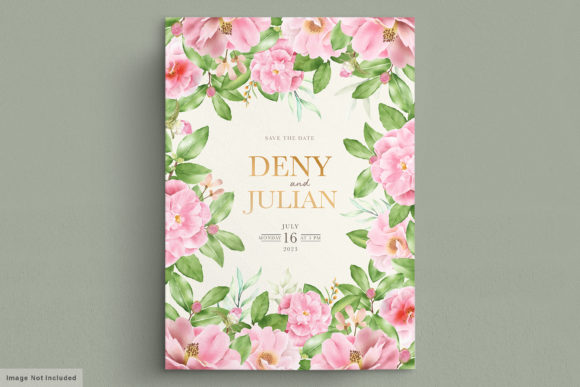
The visual personality of the Watercolor Rose Flower Invitation Card is undeniably elegant. It leans heavily into a dreamy, vintage vibe that works exceptionally well for wedding gifts, nursery decor, or high-end boutique branding. The layout suggests a central floral motif that demands attention without being aggressive. For an Etsy seller or a creative entrepreneur, this kind of imagery adds significant perceived value to a handmade product. It feels less like a stamped logo and more like a piece of art.
However, the "watercolor" effect presents a technical hurdle. In digital graphics, gradients are smooth. In embroidery, we achieve gradients through thread colors and stitch direction. If this embroidery file relies too heavily on tiny, fragmented runs to simulate paint bleeds, it risks looking messy on textured fabrics. My first instinct is to check the stitch density. A design meant to look airy should not feel like a solid block of thread on the backside, which can cause puckering on lighter materials like linen tea towels or cotton baby clothes.
Real-World Application: The Custom Tote Bag Scenario
Let's walk through a realistic project scenario. Imagine a local boutique owner orders a run of canvas tote bags for a spring market. They want something that screams "artisanal" but needs to hold up to daily use. The Watercolor Rose Flower Invitation Card seems perfect for this tote bag design concept. The organic shape of the rose complements the natural weave of canvas.
In this situation, the success of the finished product hinges on fabric choice. Canvas provides enough stability to support the fill stitches without excessive distortion. If I were stitching this today, I would pair it with a cut-away stabilizer to ensure the delicate petals don't sink into the fabric over time. The result would be a personalized gift or retail item that feels premium. Customers are drawn to items that look hand-crafted, and if the stitching clarity is high, this design reinforces brand consistency and professionalism.
Alternatively, consider sweatshirt embroidery. The softness of the rose motif pairs beautifully with the cozy texture of fleece or French terry. Here, the design acts as a focal point on the chest or sleeve. Because sweatshirts are often dark or heathered, the color separation in the design becomes critical. If the Watercolor Rose Flower Invitation Card includes – Editable Colors., this is where that feature becomes invaluable. I would likely swap out pale yellows or light pinks for slightly more saturated tones to ensure they pop against a navy or charcoal background, maintaining the watercolor illusion without losing visibility.
Technical Considerations and Fabric Limitations
While the design is versatile, it is not universal. There are specific scenarios where I would advise caution. For instance, using this on a structured cap or hat requires careful analysis. Curved surfaces distort designs, and the detailed corners of a rose petal can easily get lost or bunch up if the hoop size isn't managed correctly or if the digitizing isn't optimized for curves. Similarly, stretchy fabrics like jersey knits used in baby embroidery projects demand a robust stabilization strategy. Without it, the fill stitch areas might crack or pucker after the first wash.
Another area of concern is small-scale application. If you intend to use this as a small accent on a pocket or an embroidered patch, you must verify the minimum stitch length. Watercolor effects often rely on subtle transitions, which can disappear if the design is scaled down too far. Tiny lettering combined with this motif should be avoided unless the text is separate and large enough to remain legible. Always test the design on scrap fabric that matches your final material. This simple step saves hours of frustration and prevents ruining expensive garments.
Enhancing Visual Appeal and Buyer Engagement
From a business perspective, the Watercolor Rose Flower Invitation Card has strong potential to drive buyer engagement. In the world of commercial embroidery, distinctiveness sells. A generic rose is common; a rose that captures the ethereal quality of watercolor stands out in online listings and craft fair displays. When a customer sees a printable mockup or a photo of the actual stitched item, the emotional connection is immediate. It suggests thoughtfulness and artistic flair.
For digital product sellers offering design assets, providing this file with clear instructions on thread charts and stabilizer recommendations builds trust. It shows you understand the practical side of the craft. Whether used for holiday embroidery on kitchen towels or as a centerpiece for a wedding pillow cover, the design's ability to convey emotion translates directly into product value.
Final Designer Notes and Best Practices
Before launching into production with the Watercolor Rose Flower Invitation Card, here is my checklist for ensuring top-tier results:
- Test First: Always stitch a sample on scrap fabric identical to your final project material to check for registration issues.
- Contrast Check: Review how the thread colors interact with the fabric base. Dark fabrics may require a different palette than light ones.
- Density Review: Inspect the back of the sample. If there is too much thread buildup, consider adjusting the density or changing the stabilizer type.
- Hoop Confirmation: Ensure your hoop size accommodates the full design without cropping essential details.
- Licensing Verification: Confirm the license terms before selling finished items or digital files. Just because a file is editable doesn't always mean it's free for commercial resale.
- Mockup Testing: Create black-and-white mockups to ensure the design holds its form even without color reliance.
In conclusion, the Watercolor Rose Flower Invitation Card is a compelling asset for the right project. It bridges the gap between digital artistry and tactile craftsmanship. When applied with technical foresight—respecting fabric textures, utilizing proper stabilization, and understanding the limits of stitch definition—it elevates simple items into cherished keepsakes. For the mindful maker, it offers a pathway to create work that feels both modern and timeless.