Tumbler Watercolor Honeycomb Wraps: A Designer's Review
As someone who spends hours hunched over an embroidery hoop, tweaking digitizing software, and testing stitches on every fabric imaginable, I approach new machine embroidery design releases with a mix of excitement and skepticism. When I first laid eyes on the Tumbler Watercolor Honeycomb Wraps, my immediate reaction was one of aesthetic appreciation. The concept blends the organic, fluid nature of watercolor art with the geometric precision of a honeycomb structure. It is a compelling contrast that promises to elevate standard custom apparel and home decor items. However, in this industry, beauty on a screen does not always translate to beauty on fabric. This review breaks down how this design performs in real-world scenarios, offering practical insights for fellow designers, Etsy sellers, and craft business owners considering adding it to their inventory.
First Impressions and Visual Personality
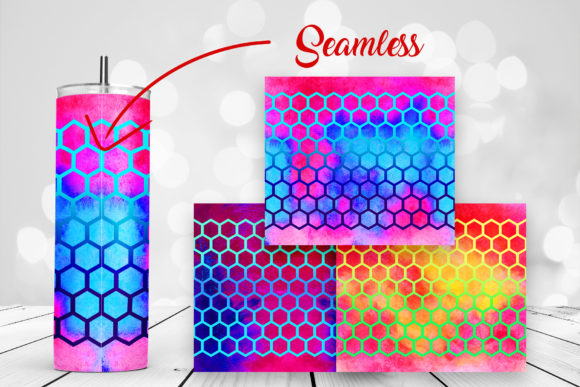
The visual personality of the Tumbler Watercolor Honeycomb Wraps is distinct. Unlike traditional rigid geometric patterns, this design leans into a softer, more artistic vibe. The "watercolor" aspect suggests a blend of thread colors that mimic the bleeding effect of paint, while the honeycomb provides a necessary structural anchor. For a designer, this balance is crucial. Purely abstract designs can sometimes look messy when stitched out, while purely geometric ones can feel sterile. This pattern sits comfortably in the middle, making it versatile for both modern boutique branding and cozy, handmade gifts.
The layout feels intentional, likely designed to wrap around cylindrical objects like tumblers, but its adaptability is where the real value lies. The mood it creates is fresh and contemporary, perfect for spring collections, nursery themes, or wellness-oriented products. If you are looking to create a handmade product that feels curated rather than mass-produced, this aesthetic hits the mark.
Real-World Application: The Tote Bag Test
To truly evaluate an embroidery file, you have to imagine it on a physical object. Let's consider a scenario where I am preparing a custom order for a local farmer's market vendor. She needs a series of canvas tote bag design options that stand out from the typical monogrammed bags. The Tumbler Watercolor Honeycomb Wraps would be an excellent candidate here.
On a sturdy canvas tote, the density of the honeycomb structure would provide great coverage, hiding the weave of the fabric while the watercolor gradients add depth. I envision using a variegated thread palette to enhance the watercolor effect, perhaps blending soft teals into sandy beiges. The result would be a bag that looks like a piece of art rather than just a utility item. For an Etsy seller, this kind of differentiation is key to commanding a higher price point. Customers are drawn to items that show attention to detail, and the complexity of this design signals quality craftsmanship.
Beyond totes, this design shines on sweatshirt embroidery. Imagine a oversized, neutral-toned crewneck with this pattern stitched across the chest or down the sleeve. The texture of the fleece combined with the intricate stitching would create a tactile experience that customers love. It transforms a basic garment into a statement piece suitable for casual wear or even light athletic use, provided the stitch count isn't excessively high.
Technical Considerations and Fabric Compatibility
While the aesthetic appeal is high, we must discuss the technical execution. Watercolor effects in embroidery often rely on careful color blending and specific stitch types, such as a mix of satin stitch for outlines and fill stitch for the broader areas. When working with the Tumbler Watercolor Honeycomb Wraps, attention to stitch density is paramount.
If you are stitching this on thin or stretchy fabric, such as a lightweight t-shirt or baby embroidery project, you must be cautious. High-density fills can cause puckering, especially on knits. In these cases, using a high-quality cut-away stabilizer is non-negotiable. I would strongly advise testing the design on scrap fabric of the same weight before committing to a final finished product. This is particularly true for the smaller details within the honeycomb cells; if the density is too tight, the needle might perforate the fabric excessively, weakening the material over time.
Curved surfaces present another challenge. While the design is named for tumblers, applying it to a cap or a curved mug requires careful hooping and potentially splitting the design if it exceeds your available hoop size. For caps, the center of the honeycomb pattern should align with the highest point of the crown to avoid distortion. On dark fabrics, ensure that the thread colors chosen have enough contrast. A watercolor effect can get lost on black or navy backgrounds if the digitizing doesn't account for underlay stitches or if the thread selection is too muted.
Ideal Use Cases for Commercial and Personal Projects
The versatility of this pattern makes it a strong asset for various commercial embroidery projects. Here is where I see it fitting best:
- Boutique Branding: Use it on packaging inserts or branded aprons for staff to create a cohesive look.
- Holiday Embroidery: The hexagonal shape lends itself well to autumn themes (harvest) or even stylized winter designs if colored in cool blues and whites.
- Nursery Decor: Soft pastels on pillow covers or blankets create a soothing environment for infants.
- Personalized Gifts: Combine the pattern with a monogram in the center of a honeycomb cell for a unique wedding or housewarming gift.
- Digital Product Previews: For those selling digital embroidery file assets, this design makes for a stunning printable mockup to attract buyers.
Designer Notes for Success
Before integrating the Tumbler Watercolor Honeycomb Wraps into your production line, there are several practical steps to take. First, always check the license terms. Whether you are using this for personal joy or as a small shop product, understanding the rights regarding commercial use is essential to avoid legal issues later. Next, inspect the small details. Zoom in on the digitized file to ensure that tiny connecting stitches between honeycomb cells are robust enough to survive washing.
Thread choice plays a massive role in the success of watercolor-style designs. Instead of using solid blocks of color, consider using threads with a slight sheen or variance to mimic the fluidity of paint. Test your design in both color and black-and-white mockups to ensure the contrast holds up even without the hue variation. Finally, remember that frequent washing can affect dense embroidery. Advise your customers on proper care instructions, such as turning the garment inside out, to maintain the integrity of the embroidered patch or design area.
In conclusion, the Tumbler Watercolor Honeycomb Wraps offers a sophisticated blend of art and geometry that, when executed with care, can significantly enhance the perceived value of your creations. It is not just a pattern; it is a tool for storytelling through texture and color. For the thoughtful maker willing to test, tweak, and apply the right techniques, this design has the potential to become a staple in their portfolio of design assets.