Watercolor Background Colorful Texture: A Designer's Review
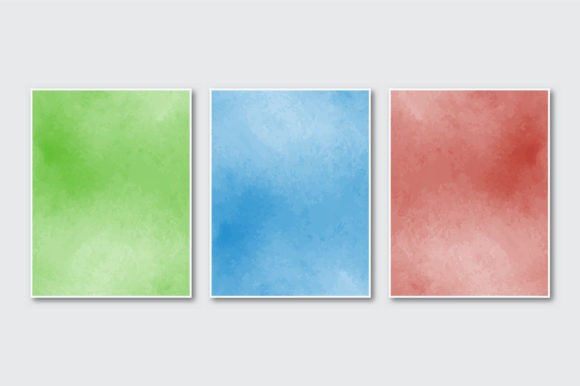
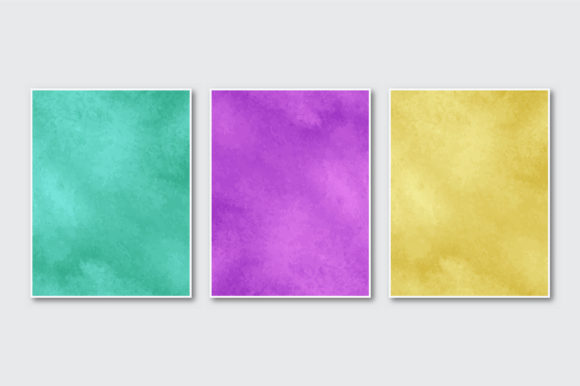
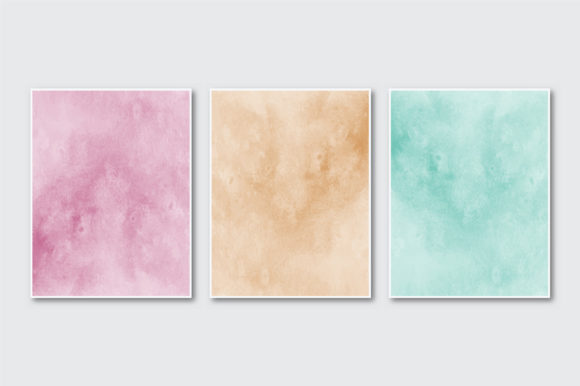
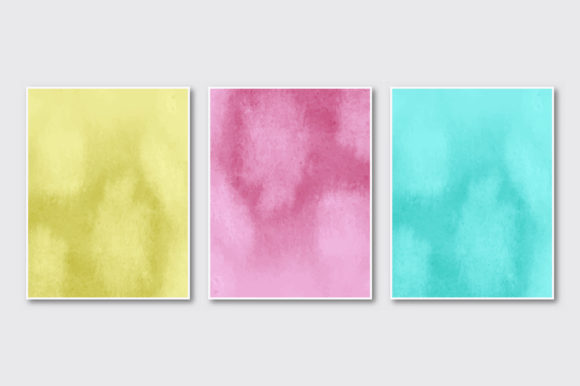
When I first opened the file for Watercolor Background Colorful Texture, my immediate reaction wasn't just about the colors; it was about the potential translation from screen to stitch. As a designer who spends more time hooping fabric than browsing digital marketplaces, I look at Graphic Templates with a critical eye. Does this look like a pretty picture, or does it function as a viable machine embroidery design? The initial visual personality of this asset is undeniably soft and artistic, evoking a mood of whimsy and organic flow. However, the real test lies in how those watercolor bleeds and textured gradients hold up under the mechanical precision of an embroidery needle.
The First Impression: Mood Meets Mechanics
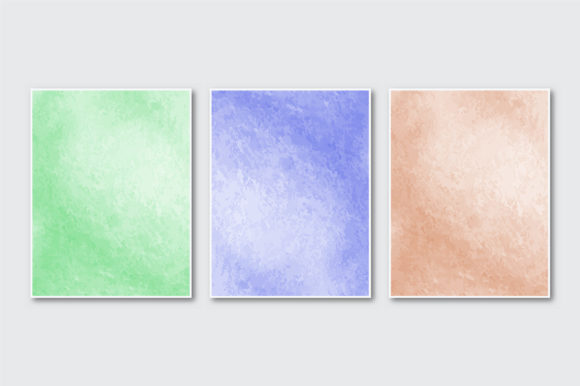
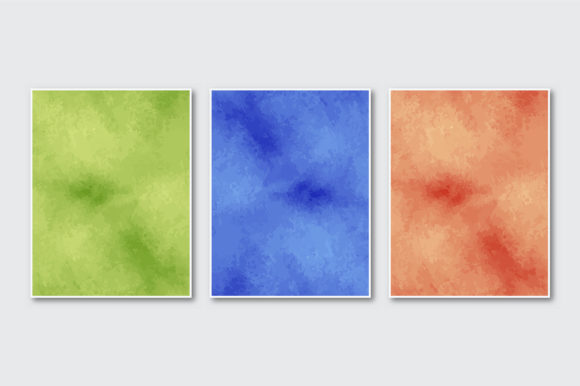
The layout of Watercolor Background Colorful Texture suggests a free-spirited aesthetic, perfect for projects that need to feel handmade rather than mass-produced. The shape and theme lean heavily into modern boho or nursery decor styles. Visually, it offers a rich tapestry of hues that blend seamlessly in a digital preview. But for us embroidery professionals, "seamless blending" often translates to "high stitch density" or complex color changes. The detail level here is significant. It doesn't rely on simple outlines; instead, it uses varying tones to create depth. This tells me that executing this design will require careful attention to thread colors and likely a mix of fill stitch techniques to mimic that painterly effect without turning the back of the garment into a bird's nest.
Real-World Application: The Tote Bag Scenario
To truly evaluate this embroidery file, I imagined a specific client request: a custom boutique tote bag for a local farmer's market vendor. She wanted something that stood out against natural canvas but didn't look like a stiff, plastic decal. Watercolor Background Colorful Texture fits this brief perfectly. On a sturdy cotton canvas, the texture of the design complements the weave of the fabric. Unlike a solid block of color which can crack or feel heavy, the varied density of a watercolor-style stitch allows the fabric to breathe slightly while maintaining visual impact.
If I were stitching this for a sweatshirt embroidery project, the approach would shift. The fluffy surface of fleece requires a different strategy. Here, the colorful texture could get lost if the stitches aren't dense enough to push through the nap of the fabric. Conversely, if the stitch density is too high, the sweatshirt material might pucker, ruining the drape. This design shines brightest on medium-weight fabrics like twill, denim, or tight-weave cotton where the finished product retains crisp edges and vibrant color saturation.
Versatility Across Product Lines
Beyond tote bags, this design has strong potential for baby embroidery. The soft, non-geometric nature of watercolor textures feels gentle and appropriate for nursery items like pillow covers or blanket borders. For Etsy sellers looking to expand their craft business, this asset serves as a versatile base. It can be layered with monograms for personalized gifts or used as a standalone statement piece on aprons and kitchen towels. The key is recognizing that this isn't just a background; it's a primary design element that dictates the tone of the entire handmade product.
For those creating digital embroidery file collections or printable mockups, the visual appeal of Watercolor Background Colorful Texture is a major selling point. It photographs beautifully, which is crucial for online listings where customers can't touch the item. The way light plays off the varied stitch angles adds a perceived value that flat prints cannot match. This enhances brand consistency for shops that specialize in artisanal, high-quality goods.
Critical Considerations for Execution
While the design is stunning, there are areas where caution is required. If you are planning to use this on dark fabric, you must verify the thread chart. Watercolor effects often rely on light pastels blending into white space. On black navy, those light threads might look stark and disconnected unless the digitizer included a proper underlay or background fill. Similarly, using this on stretchy fabric like jersey knit demands a robust stabilization plan. The varied densities in the texture can cause uneven pulling if the fabric shifts during stitching.
Small hoop sizes present another challenge. If the original design is large, scaling it down to fit a cap or a small patch might compromise the stitching clarity. Tiny details and subtle color gradations can merge into a muddy mess if the design is reduced too much. For curved surfaces like caps, the structural integrity of the design matters. A large, dense watercolor patch might make the front panel stiff and uncomfortable. In these cases, it might be better to use elements of the texture as an applique design accent rather than a full fill.
Designer Notes for Best Results
Before committing to a production run, I always recommend a few practical steps:
- Test on scrap fabric first: Never skip this. Stitch the design on the exact same material and weight you intend to sell.
- Check thread color contrast: Ensure the transition between shades is smooth and not jarring, especially if substituting thread brands.
- Review stitch density: Look at the back of the sample. Is it too dense? Does it show excessive pull?
- Confirm hoop size: Make sure your machine's maximum hoop area accommodates the design without needing to split it, which can ruin the seamless watercolor look.
- Inspect small details: Zoom in on the stitched sample. Are the fine lines of the texture clear, or do they look jagged?
- Use proper stabilizer: Given the likely variable density, a cut-away stabilizer is often safer than tear-away for long-lasting durability.
It is also vital to check the licensing terms associated with this Graphic Templates asset. While many files allow for commercial use in finished physical goods, restrictions may apply to reselling the digital file itself or using it in print-on-demand services. Always confirm these details to protect your small shop product line and maintain professional integrity.
Final Verdict on Value and Appeal
Ultimately, Watercolor Background Colorful Texture is a powerful tool for elevating the perceived quality of your work. It moves beyond standard, clip-art style embroidery into the realm of fine art. When executed correctly, it builds customer trust because it demonstrates technical skill and an eye for detail. Whether you are creating holiday embroidery gifts, wedding favors, or boutique branding elements, this design adds a layer of sophistication. It transforms a simple piece of fabric into a conversation piece. However, its success relies entirely on the maker's understanding of materials and machine settings. Treat it with the respect a complex artwork deserves, and it will reward you with a finished product that sells itself.