Watercolor Texture Background Template Review for Graphic Templates
As a digital publisher who has spent years curating the visual identity of multiple content sites, I approach every new graphic design asset with a critical eye. It is not enough for a file to look pretty in isolation; it must perform within the chaotic ecosystem of a live website, a crowded social feed, and a competitive inbox. Today, I am reviewing the Watercolor Texture Background Template, a resource that promises to bring organic warmth to digital layouts. My goal is to determine if this asset can truly elevate editorial design or if it remains merely decorative.
First Impressions: Setting the Editorial Mood
Upon opening the files, the immediate sensation is one of softness and approachability. Unlike the rigid, geometric vectors that dominate modern web design, this template offers a hand-painted aesthetic that feels human and tactile. The watercolor washes create a lifestyle-focused atmosphere, making it an ideal choice for niches centered around wellness, parenting, creative entrepreneurship, and personal development. For a blogger aiming to build brand identity based on trust and authenticity, this texture provides a welcoming backdrop that lowers the reader's guard before they even consume the headline.
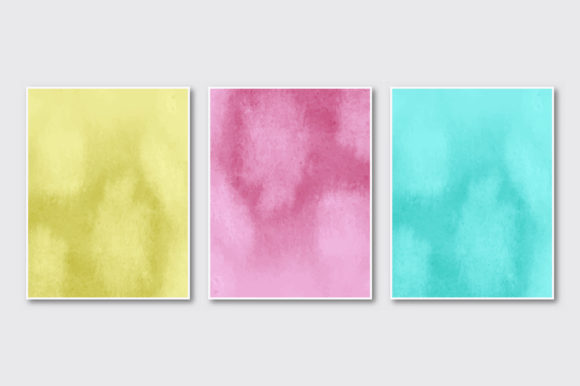
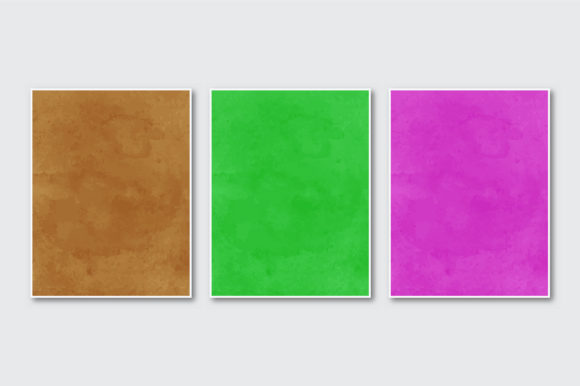
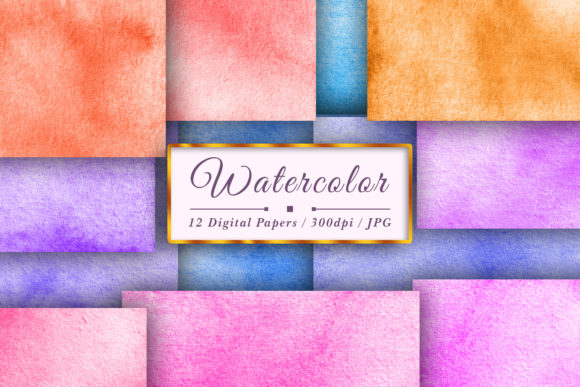
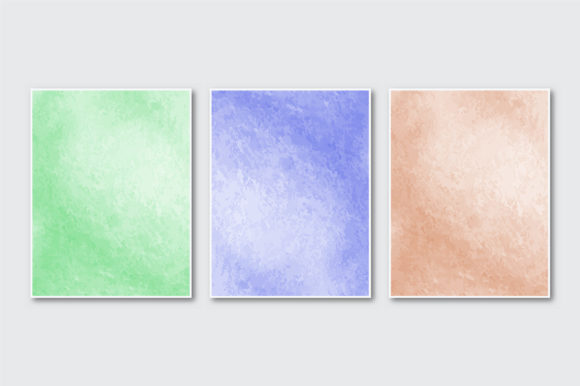
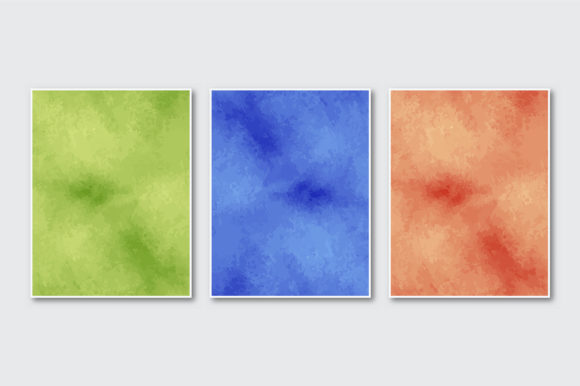
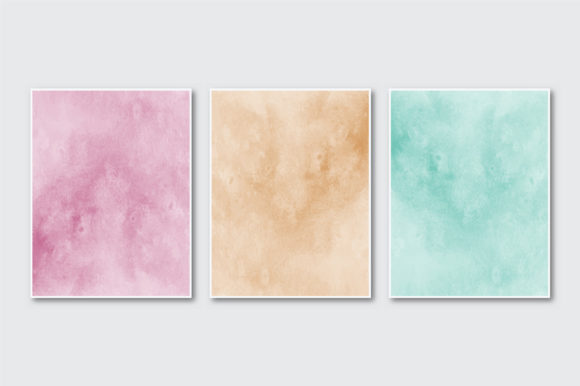
The color variations included in the pack are subtle yet distinct, ranging from muted pastels to deeper, more saturated tones. This versatility allows the Watercolor Texture Background Template to adapt to seasonal campaigns without requiring a complete rebrand. Whether you are launching a spring guide or a cozy winter newsletter, the organic edges of the paint strokes add a layer of sophistication that flat colors simply cannot achieve.
Integrating into a Real Publishing Workflow
The true test of any Graphic Templates collection is its utility in a daily workflow. I envision this asset becoming a cornerstone for several key publishing touchpoints. First and foremost, it excels as a foundation for Pinterest pin designs. The platform favors vertical imagery with clear focal points, and the negative space inherent in these watercolor layouts provides the perfect canvas for bold typography. By placing a high-contrast headline over the textured background, creators can achieve a stronger visual hierarchy that drives clicks.
Beyond social media, this asset shines in blog graphics and article headers. When used as a website header overlay, it breaks up the monotony of standard stock photography, giving the site a custom, boutique feel. I also see immense value in using these textures for digital product creation. Imagine wrapping a digital guide, a set of printable worksheets, or an eBook cover in this design. It instantly signals to the customer that the content inside is curated and thoughtful, increasing the perceived value of the digital download.
For newsletter creators, these backgrounds can transform a plain text email into a visually engaging content marketing piece. A simple banner at the top of a weekly update, featuring the watercolor texture and a handwritten font, can significantly improve open rates and reader engagement by making the communication feel personal rather than automated.
Impact on Content Performance and Reader Trust
In the world of affiliate marketing and sponsored content, reader trust is the currency that matters most. A polished, consistent visual presentation signals professionalism. When a visitor lands on a page where the social media graphics, blog thumbnails, and downloadable resources all share the same textural DNA, it reinforces small business branding. The Watercolor Texture Background Template supports this consistency effortlessly.
Furthermore, the artistic nature of the asset can improve click-through potential. In a sea of generic corporate imagery, a genuine watercolor effect stands out. It suggests creativity and attention to detail, qualities that readers subconsciously associate with high-quality information. By using this asset for category thumbnails or featured images, publishers can create better category recognition, helping returning visitors navigate the site more intuitively.
Strategic Placement and Usage Warnings
While versatile, this asset requires strategic deployment. It works best in hero images, large article thumbnails, and dedicated landing pages for lead magnet opt-ins. However, caution is necessary when applying it to small mobile thumbnails. The delicate details of the watercolor wash may blur or become indistinct on smaller screens, potentially looking like noise rather than texture. In these instances, it is better to use a solid color derived from the palette rather than the full texture.
Additionally, this style may not suit every niche. For websites focused on serious professional services, corporate finance, or hard news, the playful and artistic vibe might undermine the authority of the content. Similarly, avoid using it as a background for text-heavy blog images. The varying opacity of the paint can interfere with readability. Always ensure there is sufficient contrast between the text and the background, perhaps by adding a semi-transparent overlay or sticking to dark fonts on light washes.
Practical Notes for Publishers and Designers
Before integrating the Watercolor Texture Background Template into your Canva template library or live site, I recommend a rigorous testing phase. Preview the assets on both desktop and mobile devices to ensure the resolution holds up. Check how the texture interacts with different typography styles; it pairs beautifully with serif fonts for an elegant look, sans serif for modernity, and script or handwritten fonts for a personal touch. Avoid display fonts that are too heavy, as they may clash with the softness of the watercolor.
From a technical standpoint, review the file sizes. High-resolution textures can be large, so compress images properly to maintain fast page load speeds, which is crucial for SEO and user experience. Finally, and most importantly, confirm the commercial license terms. If you plan to use these designs on monetized websites, in paid ads, or as part of a product you sell, you must ensure the license from the creative marketplace permits commercial design usage. Never assume; always verify to protect your business.
In conclusion, the Watercolor Texture Background Template is a powerful tool for publishers looking to inject warmth and personality into their visual communication. When used with intention and technical care, it transforms standard content into a cohesive, branded experience that resonates with readers and supports business goals.